

Emotional pain can feel permanent. A bad breakup, childhood trauma, chronic anxiety, or deep grief can carve grooves so deep into your inner life that it seems like you’ll never feel different. But here’s the truth that neuroscience has made increasingly clear: your brain is not fixed. It changes constantly — and with the right conditions, it can actually heal.
This capacity is called neuroplasticity, and it’s one of the most hopeful discoveries in modern psychology. In this article, we’ll break down exactly how neuroplasticity works, what it means for emotional recovery, and how you can use it — starting today — to reshape the patterns that keep you stuck.
What Is Neuroplasticity, Really?
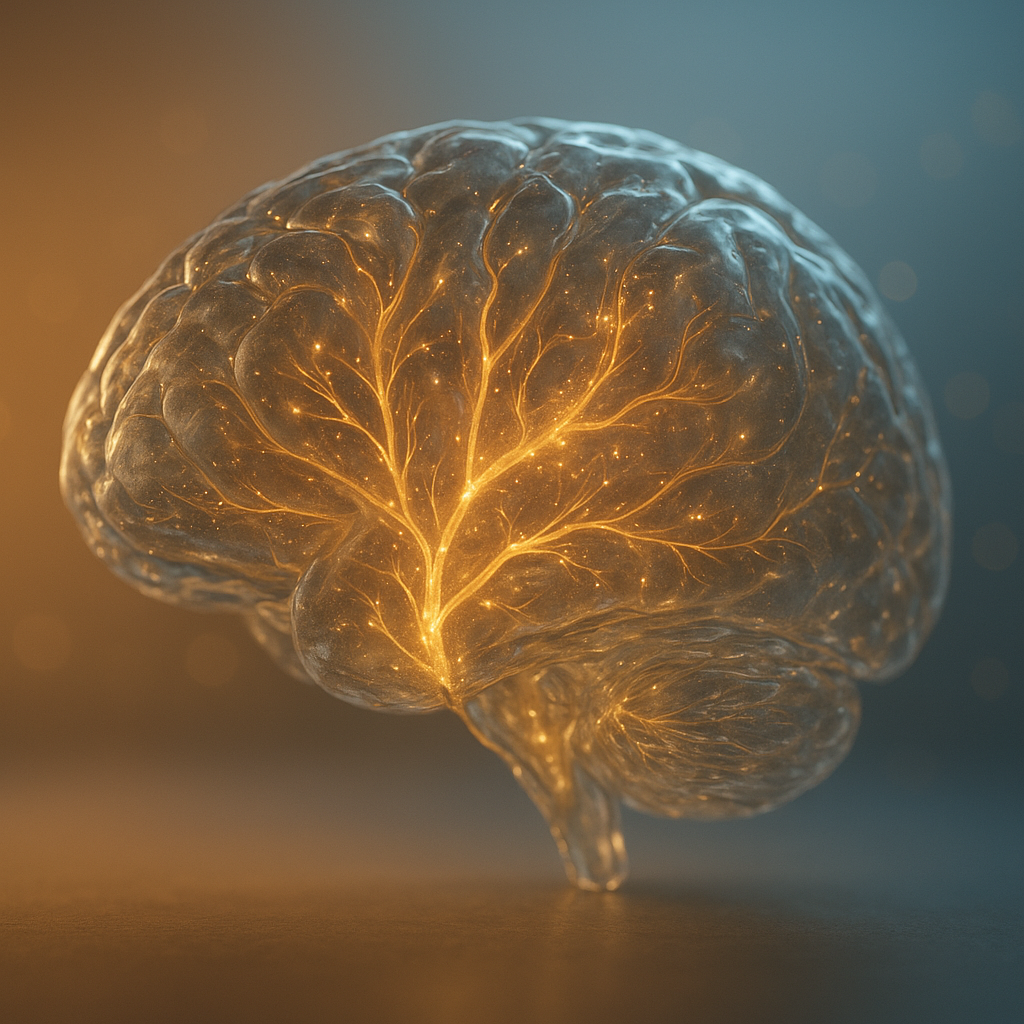
Neuroplasticity is your brain’s ability to reorganize itself by forming new neural connections throughout life. For decades, scientists believed the brain was essentially “hardwired” after childhood. That view has been thoroughly overturned.
Research now shows that your brain physically changes in response to experience, learning, environment, and even your thoughts. Neurons that fire together wire together — a principle known as Hebbian learning — meaning that repeated thoughts, emotions, and behaviors literally strengthen specific neural pathways while unused ones weaken over time.
This is both good and bad news. It’s the reason negative thought patterns can become so entrenched — but it’s also the reason they can be dismantled and replaced.
How Emotional Pain Changes Your Brain
When you experience emotional trauma or prolonged stress, your brain doesn’t just “remember” what happened — it physically adapts. Understanding these changes is the first step toward reversing them.
The Amygdala Goes Into Overdrive
The amygdala is your brain’s threat-detection center. After trauma or chronic emotional stress, the amygdala can become hyperactive — constantly scanning for danger even when you’re objectively safe. This is why people with anxiety or PTSD often feel on edge, reactive, or emotionally flooded without obvious cause.
A 2011 study published in the Journal of Neuroscience found that individuals with PTSD showed significantly heightened amygdala activation in response to emotional stimuli — even years after the original trauma.
The Prefrontal Cortex Gets Quieter
The prefrontal cortex — the part of your brain responsible for reasoning, emotional regulation, and impulse control — often shows reduced activity following trauma. This creates a neurological imbalance: your alarm system is blaring, but your “brakes” aren’t working properly.
This is not a character flaw or a personal weakness. It’s a measurable, physical change in brain function — which means it can also be measured and changed back.
Negative Thought Patterns Become Hardwired
Rumination — the repetitive cycling of negative thoughts — strengthens neural pathways associated with distress. Research from Stanford University has shown that habitual negative self-talk and pessimistic thinking patterns are associated with increased activation in the subgenual prefrontal cortex, a region heavily implicated in depression.
The more you rehearse a thought like “I’m not safe” or “I’m not good enough,” the more automatic it becomes. Over time, it stops feeling like a thought and starts feeling like reality.
Can Neuroplasticity Actually Heal Trauma?
Yes — and this is not just optimistic theory. A growing body of clinical research demonstrates that therapeutic interventions can produce measurable changes in brain structure and function in people recovering from emotional trauma.
What the Research Shows
- Mindfulness meditation has been shown to increase gray matter density in the hippocampus (critical for memory and emotional regulation) and decrease amygdala reactivity — a 2010 study from Massachusetts General Hospital confirmed this after just 8 weeks of practice.
- Cognitive Behavioral Therapy (CBT) produces measurable reductions in amygdala hyperactivity and increased prefrontal cortex engagement in patients with anxiety and depression.
- EMDR (Eye Movement Desensitization and Reprocessing) appears to facilitate the reprocessing of traumatic memories, reducing their emotional charge and the associated neural activation patterns.
- Physical exercise stimulates the release of brain-derived neurotrophic factor (BDNF), a protein that directly supports the growth and survival of neurons — essentially fertilizing the soil for neuroplastic change.
The key insight across all of these is that the brain responds to consistent, repeated experience. Healing is not a single event. It’s a process of laying down new tracks until they become the default.
How to Heal the Brain After Emotional Trauma: Practical Strategies
Understanding the science is helpful, but what can you actually do with it? Here are evidence-based approaches that leverage neuroplasticity for emotional healing.
1. Practice Mindfulness — Even Briefly
You don’t need to meditate for an hour a day. Research suggests that even 10–15 minutes of daily mindfulness practice can begin to reduce amygdala reactivity and strengthen prefrontal regulation over a period of weeks.
Simple breath-focused attention — noticing when your mind wanders and gently returning it — is itself a form of neuroplastic training. Each time you redirect your attention, you are weakening the automatic stress pathway and strengthening a calmer one.
2. Name Your Emotions
This sounds almost too simple, but affect labeling — putting words to what you’re feeling — has a documented neurological effect. UCLA research found that labeling an emotion reduces amygdala activation and increases activity in the right ventrolateral prefrontal cortex. In plain terms: naming what you feel calms your brain down.
Instead of “I feel terrible,” try “I’m noticing fear and sadness right now.” The specificity matters.
3. Deliberately Practice New Thoughts
Neuroplasticity doesn’t distinguish between helpful and unhelpful repetition — it just responds to repetition. If you want to replace a negative automatic thought, you need to practice the alternative consistently.
This is the core mechanism behind CBT. Identify the distorted thought, challenge it with evidence, and deliberately rehearse a more accurate replacement. Over time — typically weeks to months — the new thought becomes the more automatic one.
4. Move Your Body
Exercise is one of the most reliable ways to boost BDNF and support neuroplastic change. A meta-analysis published in Psychiatry Research: Neuroimaging found that aerobic exercise is associated with increased hippocampal volume — significant because the hippocampus often shrinks under chronic stress and depression.
You don’t need intense training. 30 minutes of moderate walking, five days a week, is enough to produce measurable benefits.
5. Prioritize Sleep
Sleep is when your brain consolidates new learning and clears metabolic waste from neural tissue. Chronic sleep deprivation impairs neuroplasticity and amplifies emotional reactivity. Consistent, quality sleep — 7 to 9 hours for most adults — is foundational to any healing process.

Post-Traumatic Growth: When Healing Leads Somewhere New
One of the most remarkable findings in trauma research is the concept of post-traumatic growth (PTG) — the phenomenon where people not only recover from adversity but emerge with a deeper sense of purpose, stronger relationships, and greater personal resilience.
PTG is not about minimizing pain or pretending trauma was somehow beneficial. It’s about the brain’s genuine capacity to integrate difficult experiences into a richer, more complex sense of self. Research suggests that roughly 30 to 70 percent of trauma survivors report some form of post-traumatic growth, depending on the population studied and the type of trauma experienced.
Neuroplasticity is the biological engine behind this. The same mechanisms that allowed trauma to reshape your brain can be harnessed — deliberately and with support — to build something new.
Frequently Asked Questions About Neuroplasticity and Emotional Healing
How long does it take for the brain to change?
It depends on the change. Structural brain changes from mindfulness practice have been observed in as little as 8 weeks. Deeper shifts in emotional patterns and automatic thought habits typically take several months of consistent practice. The brain changes faster than most people expect — but slower than a single weekend workshop promises.
Is neuroplasticity possible at any age?
Yes. While neuroplasticity is most robust in childhood, adult brains retain significant capacity for change throughout life. Older adults may require slightly more repetition and consistency, but meaningful neural reorganization is absolutely achievable at any age.
Can neuroplasticity make things worse?
Unfortunately, yes — the brain doesn’t distinguish between adaptive and maladaptive learning. Repeated rumination, avoidance behaviors, and chronic stress can all strengthen harmful neural pathways. This is why deliberate, intentional practice matters: you are always shaping your brain. The question is whether you’re doing it on purpose.
Does therapy actually change the brain?
Yes. Multiple neuroimaging studies have confirmed that effective psychotherapy — including CBT, EMDR, and psychodynamic therapy — produces measurable changes in brain activity and structure. Therapy is not just “talking.” It is a form of structured neuroplastic training.
The Bottom Line
Emotional pain is real, and its effects on the brain are real. But so is the brain’s capacity to heal. Neuroplasticity is not a buzzword — it’s a well-documented biological process that operates every day, in every moment of experience you have.
The negative thought loops, the hyperactive threat response, the emotional numbness or reactivity — these are patterns, not permanent features. With consistent, evidence-based practices like mindfulness, affect labeling, cognitive restructuring, physical movement, and quality sleep, you can begin to lay down new neural pathways that support calm, clarity, and genuine emotional resilience.
Healing is not about erasing the past. It’s about building a brain that is no longer defined by it. And that is something your brain — given the right conditions — is fully capable of doing.
Leave a Reply