
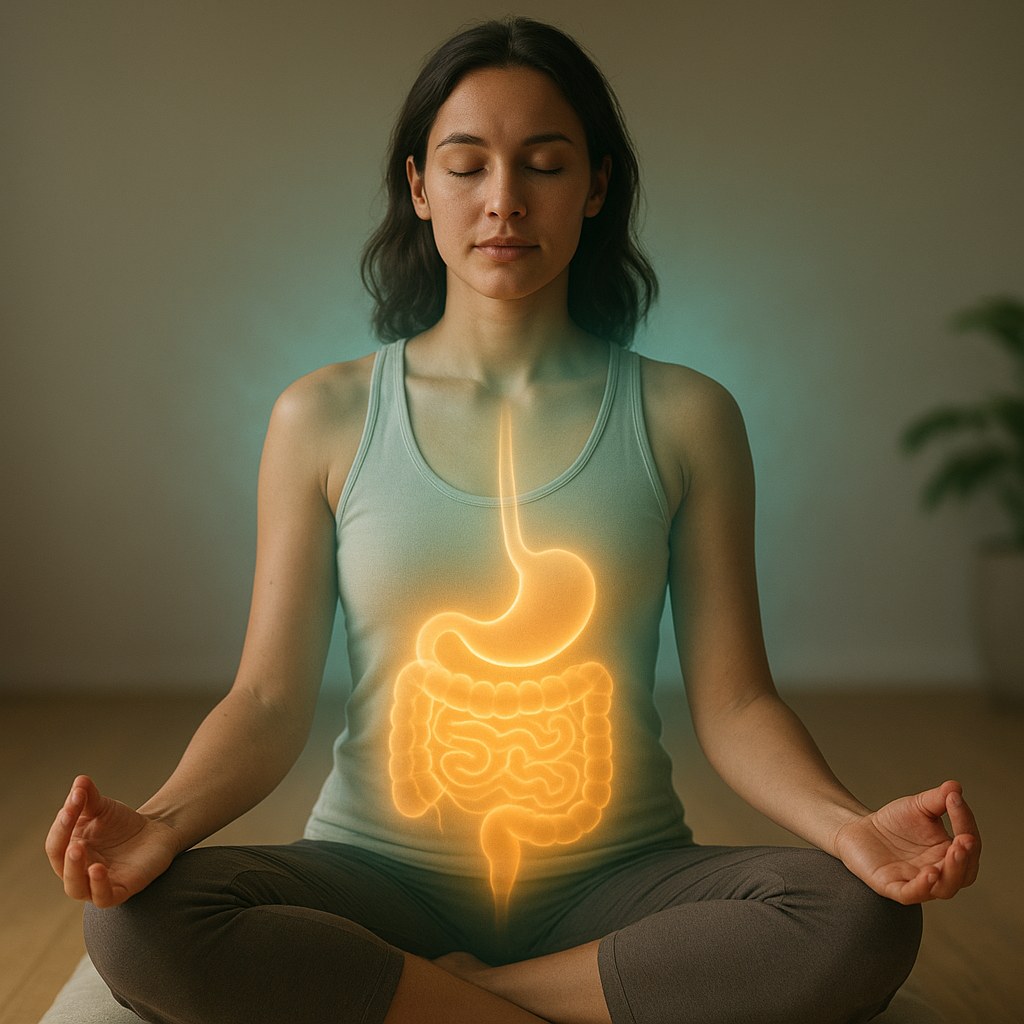
Have you ever felt “butterflies” in your stomach before a big presentation, or experienced a sudden wave of nausea when you’re stressed? These aren’t just figures of speech. They are real, physical sensations that highlight a profound biological connection: the link between your digestive system and your brain. For decades, anxiety was viewed strictly as a psychological issue, something happening solely “in your head.” But modern science is rapidly changing that narrative.
Research now suggests that the trillions of bacteria living in your gut—collectively known as the gut microbiome—may play a significant role in regulating your mood and anxiety levels. This connection, often called the gut-brain axis, is a two-way street. Your brain can influence your gut, but your gut can also send signals back up to your brain, potentially influencing how you feel emotionally.
If you’ve been struggling with anxiety that doesn’t seem to respond fully to traditional treatments, it might be time to look a little lower—toward your digestive tract. This article explores the fascinating science behind the gut-brain connection, how an unhealthy gut might be fueling your anxiety, and practical steps you can take to heal both.
The Gut-Brain Axis: A Biological Superhighway
To understand how your gut affects your mind, you first need to understand the gut-brain axis. This is a complex communication network that links the emotional and cognitive centers of the brain with intestinal functions. It involves neural pathways (like the vagus nerve), hormones, and immune system signaling molecules.
Think of it as a busy telephone line constantly exchanging information. When your brain perceives stress or danger, it sends signals to your gut, which is why you might lose your appetite or feel queasy when anxious. Conversely, when your gut is inflamed or out of balance, it sends distress signals to the brain, which can manifest as anxiety, depression, or brain fog.
According to Harvard Health, the gut-brain axis is so influential that the gastrointestinal system is often referred to as the “second brain.” This second brain, formally known as the enteric nervous system (ENS), consists of over 100 million nerve cells lining your gastrointestinal tract. While it doesn’t write poetry or solve math problems, it controls digestion and, crucially, communicates with the brain in your skull about your overall well-being.
The Microbiome: Your Inner Ecosystem
Your gut is home to approximately 100 trillion microorganisms, including bacteria, viruses, and fungi. This ecosystem is your microbiome. In a healthy state, these microbes work in harmony to digest food, synthesize vitamins, and protect against pathogens. But their influence extends far beyond digestion.
One of the most surprising discoveries in recent years is the gut’s role in neurotransmitter production. Neurotransmitters are chemical messengers that regulate mood. You might associate serotonin—the “feel-good” hormone—with the brain, but approximately 90% to 95% of the body’s serotonin is actually produced in the gut. Gut bacteria help stimulate the production of serotonin and other neurotransmitters like GABA (gamma-aminobutyric acid), which helps control feelings of fear and anxiety.
When the balance of good and bad bacteria in your gut is disrupted—a state known as dysbiosis—this production line can falter. Studies have shown that people with anxiety and depression often have different gut bacteria compositions compared to healthy individuals. For example, research published in General Psychiatry analyzed multiple studies and found that interventions aimed at regulating gut bacteria (like probiotics) could significantly improve anxiety symptoms in over half of the studies reviewed.
How Gut Inflammation Fuels Anxiety
Chronic inflammation is a common denominator in both gut disorders and mental health issues. When your gut lining becomes compromised (often called “leaky gut”), undigested food particles and toxins can enter the bloodstream. This triggers an immune response and systemic inflammation.
This inflammation doesn’t stay in the gut. Inflammatory markers called cytokines can travel through the blood to the brain, activating the brain’s immune cells. This neuroinflammation has been linked to increased anxiety and depressive behaviors. Essentially, an inflamed gut can lead to an inflamed brain, creating a biological environment where anxiety thrives.

Signs Your Gut Might Be Affecting Your Mood
How do you know if your anxiety is gut-related? While anxiety is multifaceted, certain physical symptoms often accompany gut-driven mood issues. These are often the “early signs of an unhealthy gut” that people overlook.
Physical Symptoms of a “Nervous Stomach”
When the gut-brain axis is hyperactive, you may experience physical symptoms that mimic anxiety or occur alongside it. Common signs include:
- Butterflies or knots: A fluttering sensation in the stomach during moments of stress.
- Changes in bowel habits: Diarrhea or constipation that seems tied to your emotional state.
- Indigestion and bloating: Frequent discomfort, gas, or a feeling of fullness that isn’t related to how much you ate.
- Stomach cramps: Sharp pains or dull aches without a clear dietary cause.
- Nausea: Feeling sick to your stomach when you’re nervous or for no apparent reason.
Beyond Digestion: Subtle Clues
An unhealthy gut doesn’t always scream; sometimes it whispers. Other early signs that your microbiome might be out of balance include:
- Skin issues: Conditions like eczema, psoriasis, or acne can be external reflections of internal inflammation.
- Food intolerances: Developing sensitivities to foods you used to tolerate well.
- Fatigue and brain fog: Feeling mentally sluggish or physically exhausted despite getting enough sleep. This is why mental rest is just as important as physical sleep for recovery.
- Strong sugar cravings: Certain bad bacteria feed on sugar and can actually manipulate your cravings to get their fix.
- Autoimmune flare-ups: Since 70-80% of the immune system resides in the gut, dysbiosis can trigger immune dysregulation.
If you experience several of these symptoms alongside persistent anxiety, your gut health is a logical place to investigate.
Actionable Strategies to Heal Your Gut and Calm Your Mind
The good news is that the microbiome is highly malleable. By changing your diet and lifestyle, you can shift the composition of your gut bacteria relatively quickly, often within weeks. Here are evidence-based practices for gut health that can also serve as a treatment option for gut-related anxiety.
1. Feed Your Good Bacteria with Fiber
Beneficial gut bacteria thrive on prebiotic fiber, a type of carbohydrate that humans can’t digest but bacteria love to ferment. This fermentation process produces short-chain fatty acids (SCFAs) like butyrate, which reduce inflammation and strengthen the gut lining.
Actionable advice: Aim for a diverse range of plant foods. Include garlic, onions, leeks, asparagus, bananas, and whole grains in your diet. Diversity is key; try to eat 30 different plant foods per week.
2. Embrace Fermented Foods
Fermented foods are natural sources of probiotics, the live beneficial bacteria themselves. Regular consumption can help repopulate your gut with good microbes.
Actionable advice: Incorporate kimchi, sauerkraut, kefir, yogurt (with live active cultures), miso, and kombucha into your meals. Start with small servings to allow your gut to adjust.
3. Manage Stress Through the Vagus Nerve
Since the gut-brain axis is bidirectional, calming the brain can calm the gut. Practices that stimulate the vagus nerve—the main nerve connecting the brain and gut—can help shift your body from “fight or flight” (sympathetic) mode to “rest and digest” (parasympathetic) mode.
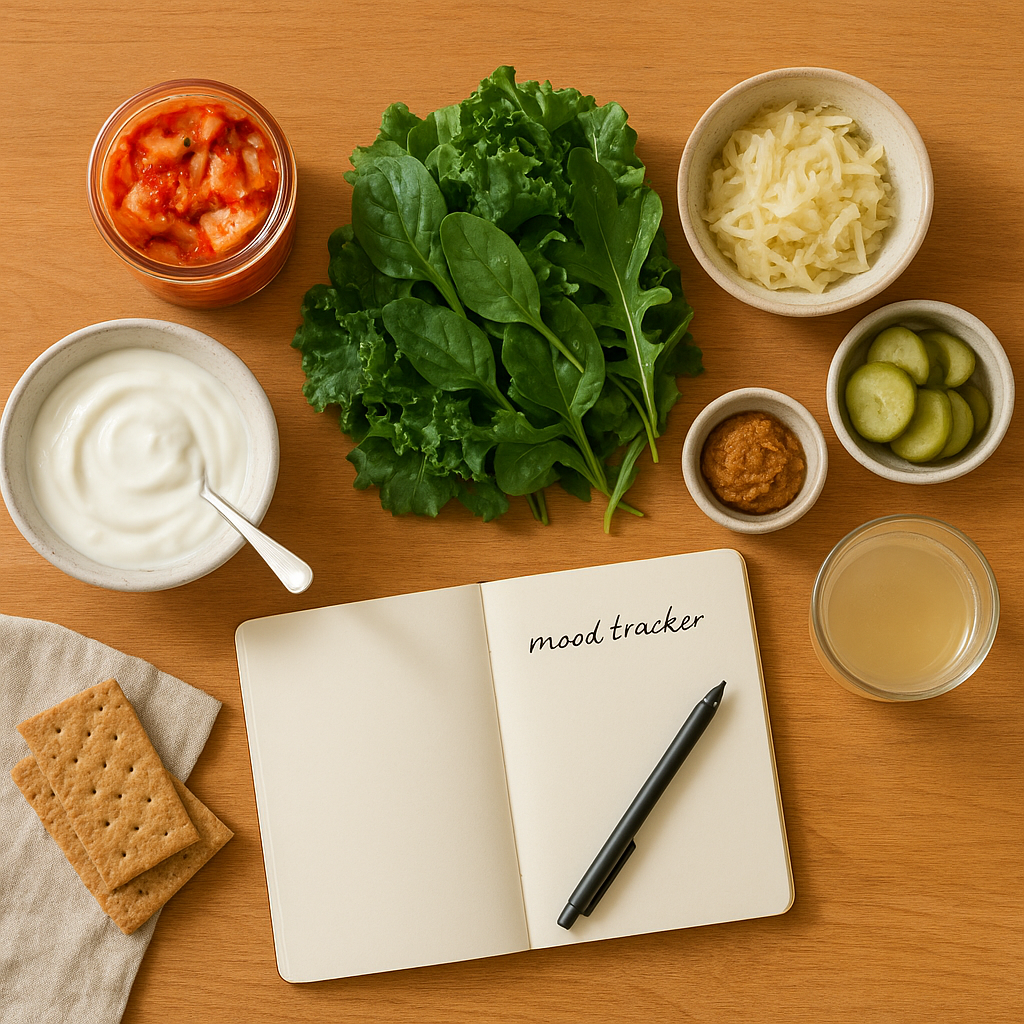
Actionable advice: Try deep breathing exercises (making your exhale longer than your inhale), cold exposure (like a splash of cold water on your face), singing, humming, or meditation. Learning how to manage anxiety through these vagal techniques can be especially effective. Even 10 minutes a day can lower cortisol and improve gut motility.
4. Limit Gut Irritants
Certain substances can damage the gut lining and kill beneficial bacteria. Common culprits include:
- Excess sugar and artificial sweeteners: These feed inflammatory bacteria.
- Highly processed foods: Often lacking fiber and full of emulsifiers that can strip the gut’s mucus layer.
- Alcohol: Can irritate the gut lining and alter the microbiome balance.
- Unnecessary antibiotics: While sometimes lifesaving, they wipe out good bacteria along with the bad. Always take probiotics after a course of antibiotics.
5. Consider Targeted Supplementation
While food should come first, certain supplements have shown promise for gut anxiety treatment.
Actionable advice: Look for a high-quality, broad-spectrum probiotic containing strains like Lactobacillus and Bifidobacterium, which have been studied for their anxiety-reducing effects (often called “psychobiotics”). Omega-3 fatty acids and Vitamin D also support both gut integrity and brain health. Always consult a healthcare provider before starting new supplements.
When to Seek Professional Help
While dietary and lifestyle changes are powerful, they are not a replacement for professional medical or mental health care. If you are experiencing severe anxiety, panic attacks, or gastrointestinal symptoms like blood in your stool, unexplained weight loss, or severe pain, it is crucial to see a doctor.
A healthcare professional can help rule out underlying conditions like IBS, IBD, celiac disease, or thyroid disorders that may be contributing to your symptoms. They can also provide guidance on treatment options for gut problems, which may include specific elimination diets (like low FODMAP), prescription medications, or gut-directed hypnotherapy.
Conclusion
The idea that your gut health could be fueling your anxiety is both validating and empowering. It validates the very real physical sensations you experience—the churning stomach, the tension, the digestive distress—and it empowers you with new tools for management. By viewing your body as an interconnected system rather than isolated parts, you can address anxiety from the ground up.
Healing your gut is not a quick fix; it requires consistency and patience. However, by nourishing your microbiome with diverse fibers, fermented foods, stress management techniques, and mindful lifestyle choices, you can create a biological environment that supports mental clarity and emotional resilience. Your gut and your brain are in constant conversation—it’s time to start listening to what your gut is saying and giving it the care it deserves to help your mind find peace.
Leave a Reply