
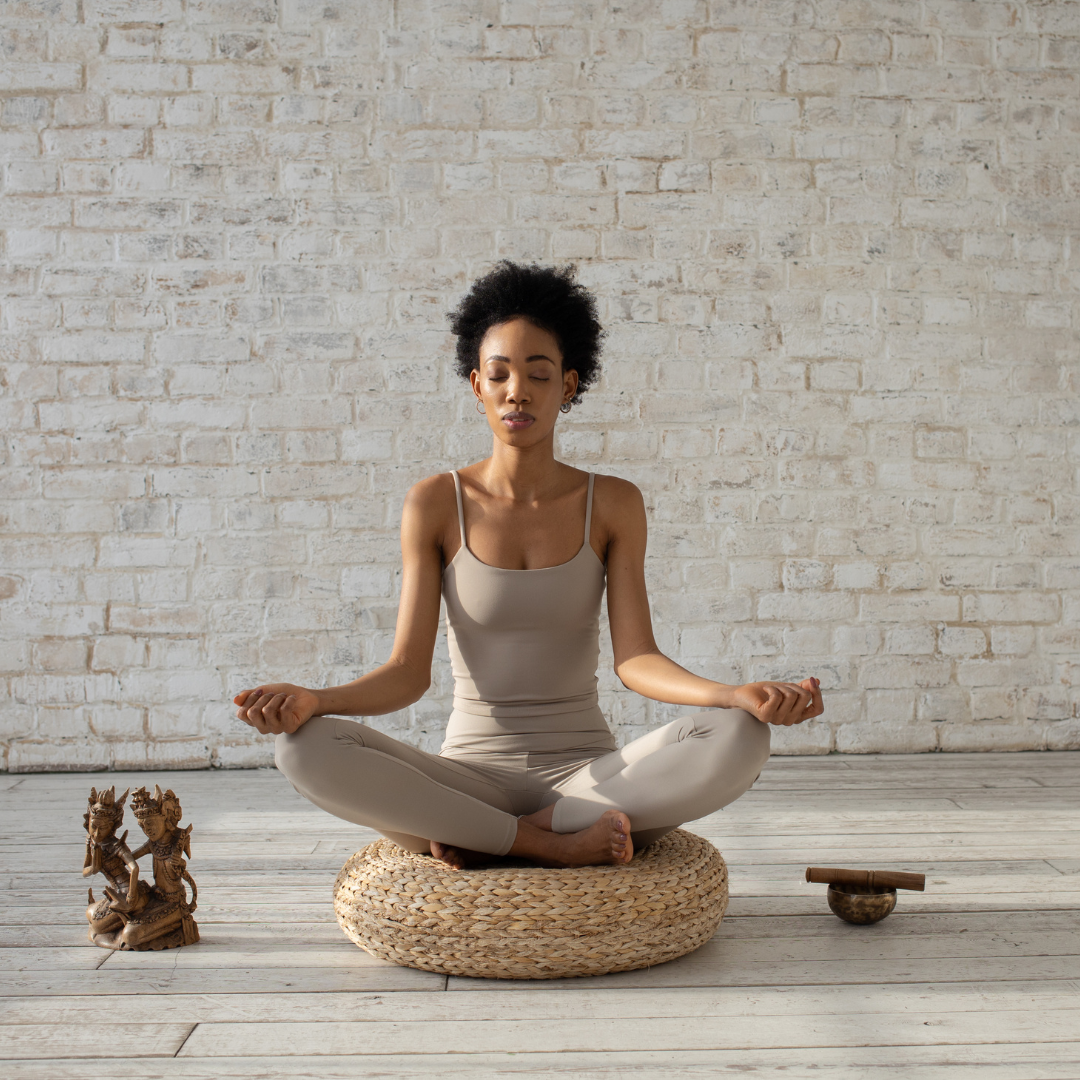
Anxiety can often feel overwhelming, impacting daily life and well-being. Grounding exercises provide practical strategies to help individuals anchor themselves in the present moment and reduce anxiety levels. These techniques help individuals reconnect with their bodies and surroundings, creating a sense of calm and control.
Incorporating grounding exercises into a daily routine can empower individuals to manage their anxiety effectively. Techniques such as the five senses exercise, mindfulness breathing, and physical grounding methods are accessible and can be tailored to personal preferences. By practicing these methods, individuals can enhance their coping skills and improve their overall mental health.
Understanding how to implement these exercises can make a significant difference in navigating anxiety. It is essential for individuals to explore different strategies to find what works best for them, allowing for personalized and effective anxiety management.
Understanding Anxiety and the Role of Grounding Exercises
Anxiety is a response to stress that can manifest in various ways, including excessive worry and physical symptoms. Grounding exercises serve as effective techniques to manage these feelings, helping individuals regain a sense of control and presence.
What Is Anxiety and Why Does It Occur
Anxiety is a mental health condition characterized by persistent feelings of worry, fear, and apprehension. It can arise from various factors, including genetics, environmental stressors, and trauma.
Common triggers include work pressure, relationship issues, and health concerns. During these times, the body undergoes physiological changes, such as increased heart rate or shallow breathing, resulting in heightened feelings of distress. Recognizing these triggers is crucial for addressing and managing anxiety effectively.
How Grounding Exercises Help Manage Anxiety
Grounding exercises are techniques that help individuals reconnect with the present moment. They promote mental clarity by shifting focus away from anxiety-provoking thoughts.
These exercises can include deep breathing, mindfulness practices, or engaging the senses. For instance, a common grounding technique is the “5-4-3-2-1” method, where a person identifies:
- 5 things they can see
- 4 things they can touch
- 3 things they can hear
- 2 things they can smell
- 1 thing they can taste
By concentrating on these sensations, individuals often experience reduced anxiety levels, making grounding a practical tool for managing stress and panic attacks.
When to Use Grounding Techniques
Grounding techniques can be beneficial during moments of acute anxiety or when individuals feel overwhelming stress. They are often effective during panic attacks to help regain a sense of control.
Individuals may also use these techniques in everyday situations, such as public speaking or during significant life changes. Recognizing when anxiety begins to surface is key; implementing grounding exercises at those times can prevent escalation. Techniques can also complement therapy for deeper issues, such as trauma or depression.
Types of Grounding Exercises for Anxiety
Grounding exercises help individuals reconnect with the present moment. They serve as effective tools for reducing anxiety by focusing on the mind, body, or soothing techniques. Below are three main types of grounding exercises.
Mental Grounding Exercises
Mental grounding techniques involve engaging the mind to divert attention from anxiety-provoking thoughts. One effective strategy is the “5-4-3-2-1” technique, where an individual identifies:
- 5 things they can see: This helps redirect focus to their environment.
- 4 things they can touch: Engaging the senses provides tactile awareness.
- 3 things they can hear: This encourages listening and presence.
- 2 things they can smell: This fosters awareness of scents, which can be calming.
- 1 thing they can taste: This might involve sipping water or tasting a piece of candy.
Another technique is visualization, where individuals imagine a peaceful scene, such as a beach or forest, to escape overwhelming feelings.
Physical Grounding Exercises
Physical grounding exercises connect the body to the present moment, enhancing awareness of physical sensations. One method is deep breathing, where a person inhales deeply through the nose for a count of four, holds for a count of four, and exhales slowly for a count of six. This slows the heart rate and promotes relaxation.
Progressive muscle relaxation is another technique. It involves tensing and then relaxing each muscle group, starting from the toes and moving upwards. This helps release built-up tension in the body.
Engaging in physical activity, such as walking, can also ground individuals by focusing on movement and the sensations felt in their muscles.
Soothing Grounding Exercises
Soothing grounding techniques focus on providing comfort and calmness. Listening to calming music or nature sounds can create a tranquil environment, easing anxiety.
Using comforting scents, such as lavender or chamomile, through essential oils can also promote relaxation. Individuals can apply these oils to their wrists or diffuse them in their space.
Another strategy involves holding onto a comforting object, like a soft blanket or a stress ball, which offers tactile comfort. Engaging in self-soothing activities, like sipping warm tea or practicing gentle stretches, can also foster a sense of calm.
Step-by-Step Grounding Techniques and Practical Exercises
Effective grounding techniques can help manage anxiety and enhance overall well-being. These methods focus on reconnecting with the present moment, using various sensory and physical activities to promote a sense of calm.
The 5-4-3-2-1 Technique
The 5-4-3-2-1 technique is a popular grounding exercise that uses the senses to anchor individuals in the now. It involves identifying:
- 5 things you can see: Look around and note details, like colors or shapes.
- 4 things you can touch: Feel textures, such as the ground beneath the feet or the fabric of clothing.
- 3 things you can hear: Listen for sounds, both near and distant.
- 2 things you can smell: Focus on aromas, whether it’s fresh air or a nearby scent.
- 1 thing you can taste: Pay attention to flavors, like the taste of a drink or food.
This structured approach shifts focus away from anxiety and centers attention on immediate surroundings.
Deep Breathing and Breathing Exercises
Deep breathing is an effective way to combat anxiety. Specific breathing exercises can be practiced anywhere and involve techniques such as:
- Diaphragmatic breathing: Inhale deeply through the nose, allowing the abdomen to expand, followed by a slow exhale through pursed lips.
- Box breathing: Inhale for a count of four, hold for four seconds, exhale for four seconds, and hold again for four. Repeat several times.
These exercises encourage relaxation and a decrease in heart rate, promoting a calming effect.
Body Scan and Visualization Methods
Body scans involve focusing attention on different body parts, encouraging awareness and relaxation. Individuals start from their toes and gradually work their way to the head, consciously relaxing each area.
Visualization methods complement this technique. Imagine a serene place, like a beach or forest, while engaging in the body scan. This combined approach reduces tension and helps individuals immerse themselves in tranquility.
Incorporating Movement and Nature
Engaging in physical activity outdoors can significantly alleviate anxiety. Activities may include:
- Mindful walks: Walking barefoot on grass or sand allows for direct contact with the earth, enhancing the sense of grounding.
- Yoga: This practice combines movement and mindfulness, promoting both physical and mental well-being.
- Gardening, hiking, or swimming: Connecting with nature through these activities helps to provide deeper relaxation.
Incorporating essential oils during these practices can heighten the experience, using scents such as lavender or eucalyptus for added calm.
Integrating Grounding Into Daily Life and Self-Care Routines
Incorporating grounding exercises into daily life enhances emotional regulation and mental clarity. This practice fosters consistency, enriches relationships, and supports overall mental health and sleep quality.
Building Consistency With Grounding
Establishing a routine for grounding exercises can significantly lower stress levels. She can integrate short grounding practices, such as 5-minute breathing exercises, three times a day.
Creating reminders can help reinforce this habit. For example, setting alarms on a phone or using sticky notes in common areas can cue these exercises.
Practicing grounding during daily activities, like while commuting or cooking, can seamlessly blend these techniques into life. This not only builds consistency but makes grounding feel more natural.
Enhancing Relationships Through Grounded Presence
Being grounded allows individuals to engage more fully with others. He may notice that maintaining eye contact and active listening becomes easier when practicing grounding.
In conversations, grounding techniques help in managing emotional reactions. Instead of reacting impulsively, being present allows for thoughtful responses. This practice can lead to healthier interactions and improved communication.
Planning grounding activities with loved ones, such as nature walks or yoga, can strengthen relationships. Shared experiences create bonding moments while reinforcing grounding practices.
Supporting Mental Health and Better Sleep
Grounding techniques contribute positively to mental health by reducing anxiety and promoting mindfulness. She can utilize techniques like the “5-4-3-2-1” method right before bedtime to promote better sleep.
Creating a calming bedtime routine that includes grounding exercises can signal the body to relax. Simple practices like deep breathing or progressive muscle relaxation set the stage for restful sleep.
Consistently using grounding before sleep assists the mind in releasing stress accumulated throughout the day. This not only enhances sleep quality but also supports overall mental well-being.
Leave a Reply