
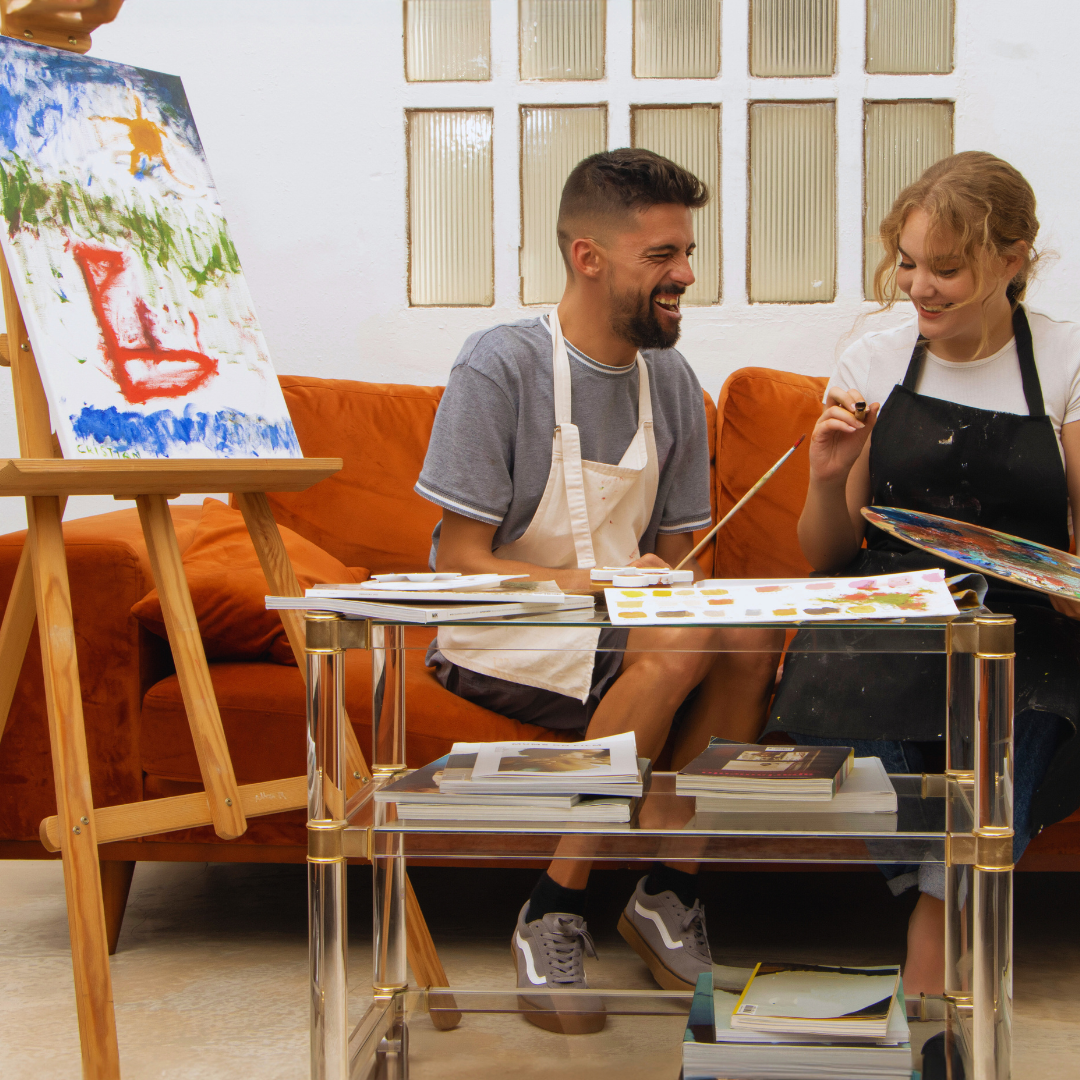
Art has long been recognized as a powerful tool for self-expression and communication. In recent years, art therapy has gained prominence as an effective method for promoting mental health and emotional healing. Engaging in creative activities allows individuals to process their emotions, reduce anxiety, and find solace in their experiences.
For many, using art as a therapeutic outlet offers a unique way to explore feelings that may be difficult to articulate verbally. Through painting, drawing, or even sculpting, individuals can tap into their subconscious, unveiling emotions and thoughts buried beneath the surface. This method not only fosters creativity but also encourages healing by providing a safe space for self-exploration.
The beauty of art therapy lies in its accessibility; no prior artistic skills are necessary to benefit from this practice. By embracing creativity, individuals can embark on their journey towards improved mental well-being, ultimately discovering new avenues for self-discovery and personal growth.
Understanding Art Therapy
Art therapy combines creative expression with therapeutic practices to enhance emotional well-being. It provides individuals a means to explore feelings, reconcile emotional conflicts, and foster self-awareness through artistic activities.
Historical Background and Art Therapy Credentials
Art therapy has roots in early 20th-century movements that recognized art’s therapeutic potential. Influential figures like Adrian Hill and Edith Kramer pioneered this field by integrating art into psychological treatment.
Today’s art therapists often hold a master’s degree in art therapy or a related field. They may pursue credentials like Registered Art Therapist (ATR) or board certification (ATR-BC) from the Art Therapy Credentials Board. These qualifications ensure a standardized level of training and knowledge vital for effective practice.
The Role of the Art Therapist
Art therapists facilitate therapeutic sessions tailored to their clients’ needs. They utilize various art forms—painting, drawing, sculpting—to encourage self-expression. This approach allows clients to visualize and articulate emotions that may be difficult to express in words.
Through guided interaction, art therapists assess emotional challenges and promote healing. They create a safe environment, encouraging exploration and reflection without judgment. Their role extends beyond facilitating art to include understanding psychological concepts and applying therapeutic techniques effectively.
Applications in Various Settings
Art therapy is versatile and applies in diverse environments, from hospitals to schools. In hospital settings, art therapists assist patients coping with chronic illness, using creative outlets to manage pain and anxiety.
Schools implement art therapy to address behavioral and emotional challenges in students, promoting social skills and emotional regulation. Art therapists also work in senior communities, helping older adults with memory care by stimulating creativity.
In psychiatric facilities, art therapy aids in the treatment of mental health disorders, allowing expression of emotions in a therapeutic context. Additionally, community organizations provide access to art therapy to underserved populations, promoting mental health awareness and resilience.
Art Therapy Techniques and Media
Art therapy utilizes a variety of techniques and media, tapping into creativity to promote healing. Understanding the specific methods and materials used can enhance therapeutic outcomes for individuals seeking emotional and psychological support.
Common Techniques in Art Therapy
Common art therapy techniques include drawing, painting, and collage. These methods allow individuals to express feelings that may be difficult to verbalize. For instance, drawing may help someone illustrate anxiety, while painting can convey emotions that words fail to capture.
Sculpting with clay is another effective technique. It allows tactile engagement, providing a grounding experience. Activities like coloring or doodling can encourage relaxation and mindfulness, serving to distract from stressors. Each technique promotes self-exploration and can facilitate insights during therapy sessions.
Different Art Media and Tools
A variety of art media and tools can enhance the therapeutic experience. Traditional materials like pencils, paints, and pastels offer different ways to explore emotions. Materials such as clay and textured surfaces can aid in self-expression, making the creative process more engaging.
Digital mediums are gaining popularity in art therapy, providing versatility and accessibility. Incorporating these tools allows for a wide range of artistic expression. Participants can use mixed media, integrating various elements such as photography and digital art, to deepen their creative process.
Integrative Approaches with Other Therapies
Integrating art therapy with other therapeutic modalities can create a holistic approach to healing. Techniques from psychotherapy, such as cognitive behavioral therapy (CBT), can be combined with art to address underlying cognitive patterns while fostering creativity.
Drama therapy, music therapy, and dance therapy can also complement art therapy. These approaches engage different senses and facilitate emotional expression through varied channels. Expressive therapy blends multiple art forms, enriching the therapeutic experience and promoting comprehensive emotional well-being.
Benefits and Outcomes of Art Therapy
Art therapy offers numerous advantages that can significantly improve mental health and emotional well-being. It serves as a powerful tool for self-expression, helping individuals explore their thoughts and feelings while developing coping strategies.
Therapeutic Goals and Benefits
Art therapy focuses on various therapeutic goals, including enhancing self-esteem and emotional resilience. By engaging in creative activities, individuals often gain insight and self-awareness, which can lead to improved mental health outcomes.
Participants frequently report reduced levels of anxiety and depression. They might also experience greater emotional regulation, helping them navigate life’s challenges more effectively.
Additionally, art therapy fosters coping skills that enhance quality of life. Users can channel grief and trauma symptoms through artistic expression, promoting healing and providing a safe outlet for emotions.
Art Therapy for Specific Conditions
Art therapy has been shown to be effective for a variety of mental health conditions. Individuals dealing with trauma or PTSD can benefit from processing their experiences creatively.
For those with anxiety and depression, art can act as a distraction or a means of exploring difficult emotions. It also provides a sense of control, which is often lacking in these disorders.
Individuals with ADHD or autism may experience improved focus and communication through structured art-related activities. Similarly, those struggling with eating disorders can utilize art as a method to confront underlying emotional conflicts related to body image and self-esteem.
Assessment of Effectiveness
Assessing the effectiveness of art therapy involves both qualitative and quantitative measures. Many studies have indicated positive outcomes, including decreased symptoms of mental disorders.
Standardized assessments can measure changes in emotional well-being, coping skills, and quality of life. Additionally, feedback from participants often highlights the personal significance of the artistic process.
Therapists typically use tools like journals or observation to gauge clients’ progress. This ongoing assessment helps ensure that therapy remains aligned with individual needs and goals, enhancing overall treatment efficacy.
Leave a Reply